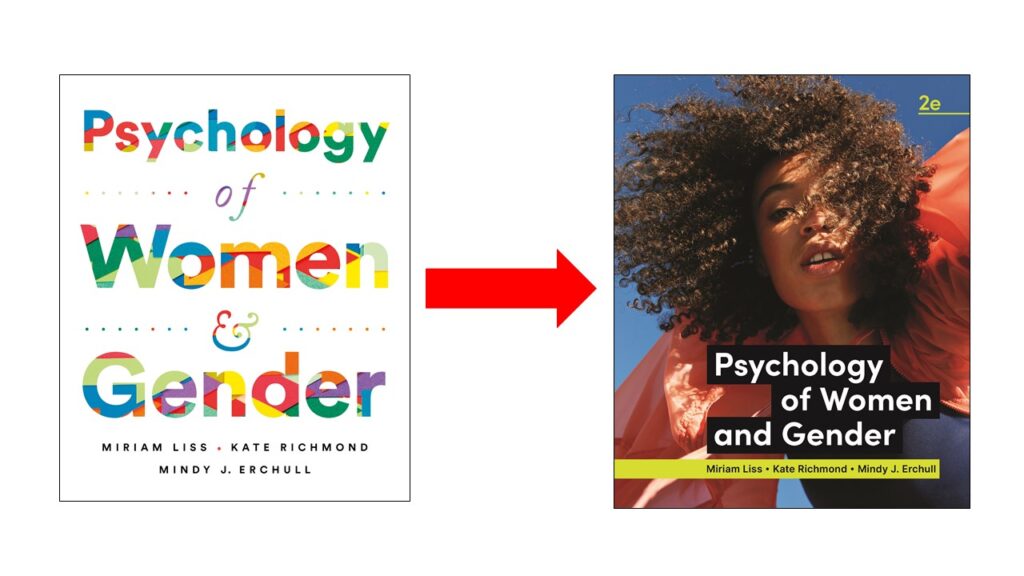
We’re incredibly excited by the release of the second edition of our book. As much as the first edition will always be special to us, we truly believe that the second edition is a major improvement in terms of both aesthetics and content. That said, we’re all teachers who know how overwhelming it can be to have to think about re-prepping a course with a new version of the book. Given that, we want to highlight some of the key changes between editions so that you can best prepare for the transition into the new edition which will be available for adoption for Fall 2024 classes.
First of all, the second edition has full color images and has had a total graphic update. While, theoretically, it’s the content that matters, there’s no denying that a visually appealing product can make the book more compelling for faculty and students alike. We also made some small changes to the features within chapters, such as unifying the thought pieces and activities under the Your Turn heading as opposed to separating the activities out into the older Try It for Yourself sections. That said, we’ve kept our Spotlight On features as well as the Empowering or Oppressing? sections that provide opportunities for students to critically evaluate and reflect on topics where there is no clear and simple “correct” answer.
If you’re going to use the e-book (the most affordable way for students to access this text!), you’ll be pleased to know that it’s not just a PDF of the printed text. Instead, it’s a Norton Illumine Ebook which includes embedded Check Your Understanding assessments, written by us, as well as embedded videos to bring the content to life for students.
In terms of the content, as you would expect, there are many updates as a lot has happened since the first edition was published in 2019. We include coverage of key events from recent years including the COVID-19 pandemic, the uptick in anti-LGBTQ+ legislation, and the overturning of Roe v. Wade, to name a few. There are also hundred of new references that have been incorporated into the chapters, many focusing on the experience of trans and/or gender nonbinary individuals, reflecting how the field has progressed over the past few years.
In terms of chapter-specific updates, you can find a detailed list in the preface of the second edition (make sure you’re requesting your review copy if you haven’t already done so!). Here are some of the key highlights, however.
- Chapter 1: coverage of research methods has been moved to Chapter 3,
- Chapter 2: we’ve updated coverage of the ASSRESSING model to reflect the most recent version of it
- Chapter 3: in the first edition, this chapter focused on sex/gender similarities and difference, but the focus is now on research methods and providing students with tools to critique research while using sex/gender similarities/differences research as a context for exploring the critique tools presented
- Chapter 4: now has increased coverage of sexual fluidity
- Chapter 5: we increased coverage of how families can influence gender socialization and coverage of racialized gender socialization
- Chapter 6: beauty work is now introduced in this chapter rather than in Chapter 11
- Chapter 7: this chapter has been reorganized with previously separate material on topics like sexual please and sexual dysfunction integrated into the sexual scripts section – content on consent has also been moved here from Chapter 12
- Chapter 8: coverage of committed relationships is now organized around the idea of compulsory monogamy
- Chapter 9: coverage of reproductive justice has increased, and coverage on abortion has been updated to reflect the overturning of Roe v. Wade
- Chapter 10: coverage of tokenism moved here from Chapter 3, and there is expanded coverage of the experiences of trans and/or gender nonbinary individuals at work
- Chapter 11: autoimmune disorders are now included in coverage pf physical health
- Chapter 12: violence as a global issue now starts rather than ends the chapter to frame the topic with a broader lens
- Chapter 13: chapter restructured to cover patterns of gendered diagnoses before presenting potential explanations for those patterns with increased covered of structural factors
- Chapter 14: updated coverage of contemporary tensions within feminism and how APA is trying to make changes within the organization.
Norton will also be provided updated teaching tools to instructors to support you in your classes. These include a test bank, PowerPoint slides, and activity and discussion topic suggestions.
We hope that you are excited about this new edition, and we welcome feedback from you and your students over the coming years. It’s never possible to do everything suggested by everyone, but knowing what people want to keep and what they want to change helps us make informed choices when we begin the revision process.